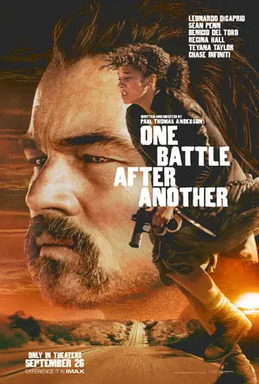
Paul Thomas Anderson's "One Battle After Another": Critics Call It a Tour de Force
Few filmmakers command the same level of anticipation and critical reverence as Paul Thomas Anderson. Known for his intricate storytelling, masterful direction, and ability to coax unforgettable performances from his actors, PTA has consistently delivered cinematic experiences that linger long after the credits roll. From the sprawling ensemble drama of Boogie Nights to the intense character study of There Will Be Blood, Anderson's filmography is a testament to his unique vision.
Now, after the acclaimed, albeit gentler, touch of Phantom Thread and the nostalgic charm of Licorice Pizza, Anderson is back with a vengeance. His latest offering, One Battle After Another, is already being hailed by critics as a monumental achievement, a "tour de force" that some are comparing to the raw power and ambition of his 2007 masterpiece. With its gripping premise, a star-studded ensemble, and Anderson’s signature command of atmosphere, the film is poised to be one of the year's most impactful cinematic events.
The Stellar "One Battle After Another" Cast: A Confluence of Talent
A Paul Thomas Anderson film often serves as a masterclass in acting, and One Battle After Another is no exception. The film boasts an incredible lineup of talent, making the One Battle After Another cast a major talking point even before its release. Headlining this powerhouse ensemble is none other than Oscar-winner Leonardo DiCaprio, taking on the pivotal role of Bob, an ex-revolutionary driven by a personal crisis. DiCaprio, renowned for his intense performances and meticulous character work, is expected to deliver another commanding portrayal under Anderson's direction.
Joining DiCaprio are a host of formidable actors, each bringing their unique gravitas and presence to the screen. The ensemble includes the formidable Sean Penn, known for his transformative roles, and the enigmatic Benicio del Toro, whose understated intensity often steals scenes. Adding vibrant new energy are artists like Teyana Taylor and Chase Infiniti, whose contemporary sensibilities promise to inject fresh dynamics into Anderson's often-period-driven narratives. The mix of seasoned veterans and rising stars creates a compelling dynamic that elevates the film's dramatic potential.
Rounding out this exceptional One Battle After Another cast are other critical darlings and familiar faces from Anderson's previous works, including Alana Haim (reuniting with PTA after her breakout role in Licorice Pizza), Regina Hall, and Wood Harris. A particularly intriguing addition is rapper and actress Shayna McHayle, better known as Junglepussy. Anderson reportedly built a character specifically for her after seeing her perform, highlighting his keen eye for unique talent and his collaborative approach to filmmaking. McHayle, playing a "French 75 vigilante," even had "non-negotiables" for her character, showcasing Anderson's respect for his actors' input and vision.
The synergy among this diverse and talented group was evident even during their promotional duties. At a photo call in London on September 15th, the cast – including DiCaprio, Infiniti, Taylor, Penn, and del Toro – experienced a truly magical moment. As they posed at 55 Broadway, a double rainbow unexpectedly formed across the sky, directly above them. This serendipitous event, captured in numerous photos, seemed to symbolize the unique and almost mythic quality that this film and its cast are already embodying.
A Return to Form? PTA's Vision for "One Battle After Another"
While Paul Thomas Anderson's recent films like Phantom Thread and Licorice Pizza were critically acclaimed, they explored different facets of human experience, often with a more intimate or nostalgic tone. One Battle After Another, however, signals a significant shift, harkening back to the epic scope and darker themes found in his earlier, more intense works like There Will Be Blood.
The film's synopsis, adapted and reshaped from Thomas Pynchon's novel "Vineland," promises a high-stakes narrative: "When their evil enemy resurfaces after 16 years, a group of ex-revolutionaries reunite to rescue one of their own’s daughter." This premise immediately places its characters in "extremis," a characteristic often found in Anderson's most gripping dramas. What's particularly notable is the contemporary setting – a first for Anderson since 2002's Punch-Drunk Love. The film is set in an America transformed into a "police state," a timely and provocative backdrop that adds layers of tension and socio-political commentary to the personal stakes of the story. This choice of setting allows Anderson to explore themes of rebellion, surveillance, and the enduring fight for freedom in a modern context, making the film incredibly relevant to today's anxieties.
Anderson's long-time collaborator, composer Jonny Greenwood, returns to craft the film's score. Greenwood's unique ability to blend classical instrumentation with experimental soundscapes has become an integral part of PTA's cinematic language, creating sonic landscapes that amplify the emotional and psychological depth of his characters. His contribution to One Battle After Another is undoubtedly a crucial element in shaping its atmosphere and impact.
Critical Acclaim and Early Buzz: Why "One Battle After Another" is a Must-See
Following its world premiere in Los Angeles on September 8th, the critical response to One Battle After Another has been nothing short of rapturous. The film currently boasts an astounding 97% "Fresh" rating on Rotten Tomatoes and an equally impressive 96% critics’ score on Metacritic. These near-perfect scores are a testament to Anderson's continued mastery and the film's profound impact on early viewers.
Critics are praising virtually every aspect of the film: Anderson's audacious direction, the complex and relevant screenplay (even with Pynchon's famously dense source material), and of course, the extraordinary performances from the One Battle After Another cast. Leonardo DiCaprio's portrayal of Bob is being singled out as one of his most powerful to date, while the supporting players, from Sean Penn to Teyana Taylor, are recognized for their scene-stealing turns that enrich the film's intricate tapestry. The blend of high-octane action, profound emotional stakes, and Anderson's signature philosophical depth appears to have created a cinematic experience that is both thrilling and deeply resonant.
Many reviewers are drawing parallels to There Will Be Blood, not just in its intensity and ambition, but in its ability to immerse an audience completely from its opening moments to its unforgettable conclusion. This comparison, coming from seasoned critics, speaks volumes about the film's potential to become another landmark in Anderson's already illustrious career. It suggests a return to a grand, uncompromising style of filmmaking that challenges, provokes, and ultimately rewards its audience.
For cinephiles and general audiences alike, One Battle After Another is shaping up to be more than just a movie; it's an event. The collective critical praise suggests a film that defies easy categorization, blending genres and exploring complex themes with a confidence only Anderson can achieve.
Conclusion
Paul Thomas Anderson's One Battle After Another is clearly poised to be a cinematic juggernaut. With its unparalleled cast, including the magnetic Leonardo DiCaprio, a timely and compelling narrative set against a "police state" backdrop, and the visionary guidance of one of contemporary cinema's greatest auteurs, the film promises an unforgettable theatrical experience. The overwhelmingly positive critical reception confirms that Anderson has once again delivered a masterpiece, a "tour de force" that will undoubtedly spark conversations and debates for years to come. Mark your calendars: One Battle After Another hits theaters on September 26th. Prepare for a film that isn't just watched, but deeply felt.